


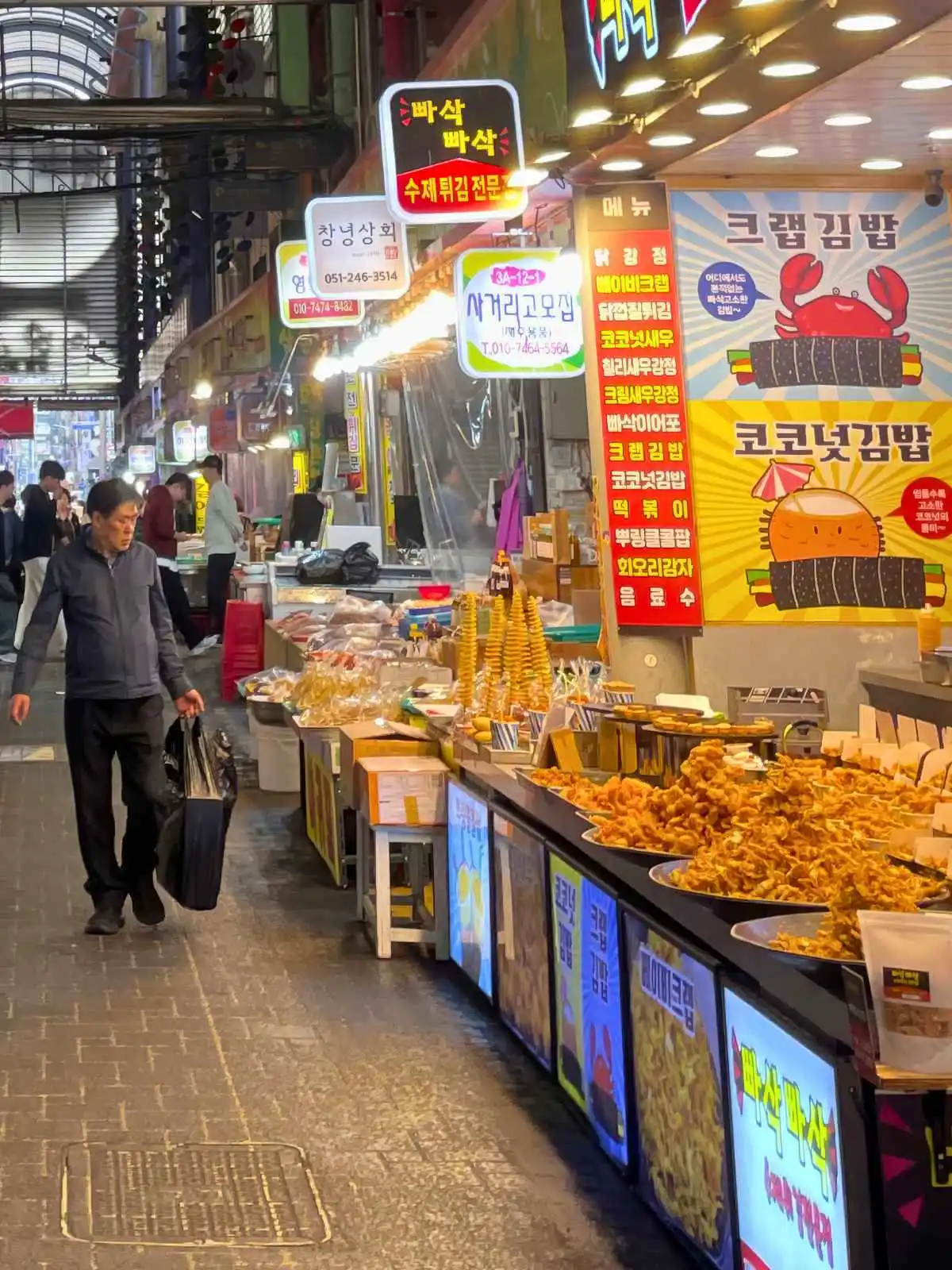
Korean street food is the food sold from the market stalls and carts on the streets of Seoul: tteokbokki, corn dogs, hotteok and gilgeori toast. It's cooked on the spot, eaten standing up, and usually costs less than a coffee.
This page teaches you how to make it at home. So if you've been to Korea and miss those flavors, or you've never been and always wondered what the food in your K-dramas actually tastes like, you're in the right place!
What you'll find on this page
Korean street food is usually found in pojangmacha (포장마차), which are roadside food stalls, and the snack alleys of food markets like Myeongdong and Gwangjang. The most popular ones are crispy corn dogs (핫도그), chewy tteokbokki (떡볶이), caramel-filled hotteok (호떡) and Korean street toast.
If you've ever watched someone stretch a mozzarella corn dog into a cheese pull at 1am and wondered if that's achievable in a normal kitchen, with a normal frying pan... It is!
I'm going to teach you how to achieve Korean street food that tastes just like the real deal back in Seoul. We'll go through the different types of street food recipes and tips and tricks for getting them right every time.
And why am I teaching you this? Simple. Korean street food is my love language. I've spent years immersed in Korean cuisine and language, with extended trips eating my way through Seoul's markets, cooking with the Korean community in the UK and learning from consecrated cooking masters. I'm currently getting ready to move to Seoul, so this food is about to become my daily life rather than just my favorite subject.
Start here: the basics of Korean Street Food
If you're new to Korean street food, don't cook at random. Each recipe below adds exactly one new skill to the one before it, so by the end of the list you can fry, griddle and sauce like the stalls do, without ever being thrown in at the deep end. This is the order I'd teach a friend.
1Spicy cheesy tteokbokki
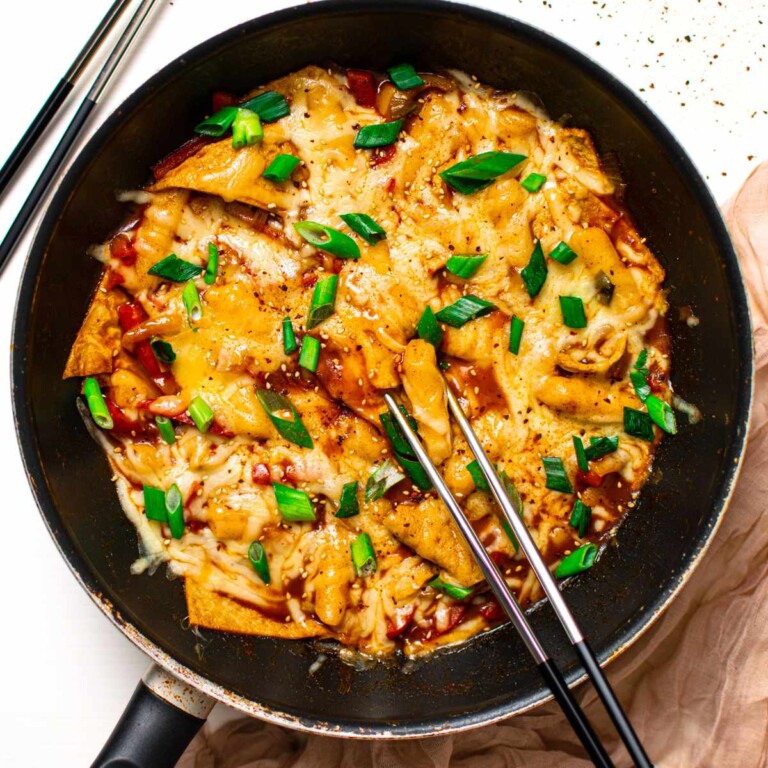
Teaches you rice cakes and sauce building. The dish everyone wants first: chewy tteok in a gochujang sauce that's well spicy, under lots of melted cheese. Soak the rice cakes in cold water while you prep and they come out soft outside, bouncy in the middle. This is the baseline for all tteokbokki variations.
2Korean corn dogs 3 ways
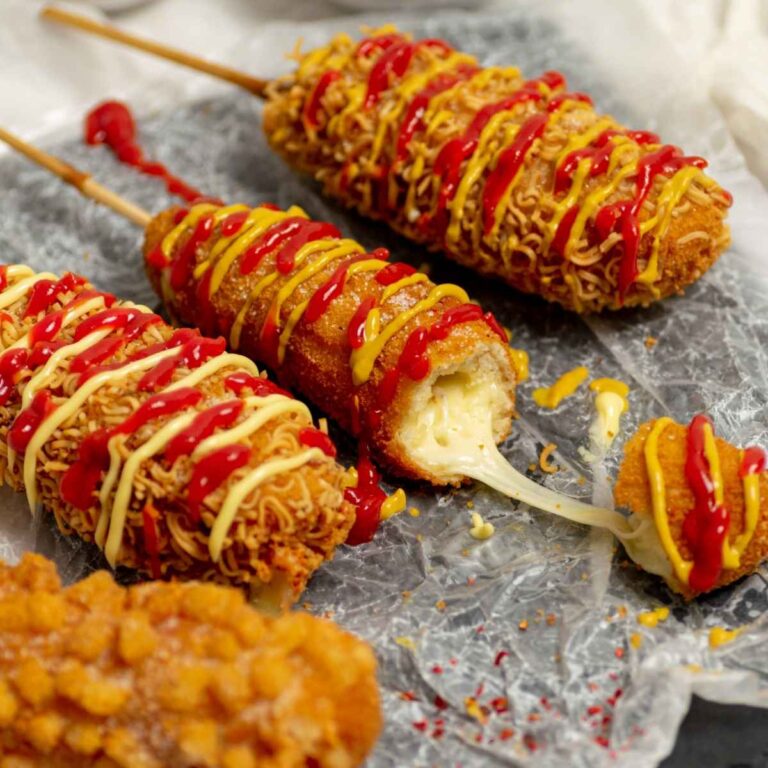
Teaches you deep-frying. This is the Namdaemun Market cheese pull, and your first date with a kitchen thermometer: 330 to 350°F, perfectly melted cheese, one batter and a choice of panko, potato cube or crushed ramen coating. The trick is getting the oil right and the dough fluffy and soft.
3Hotteok
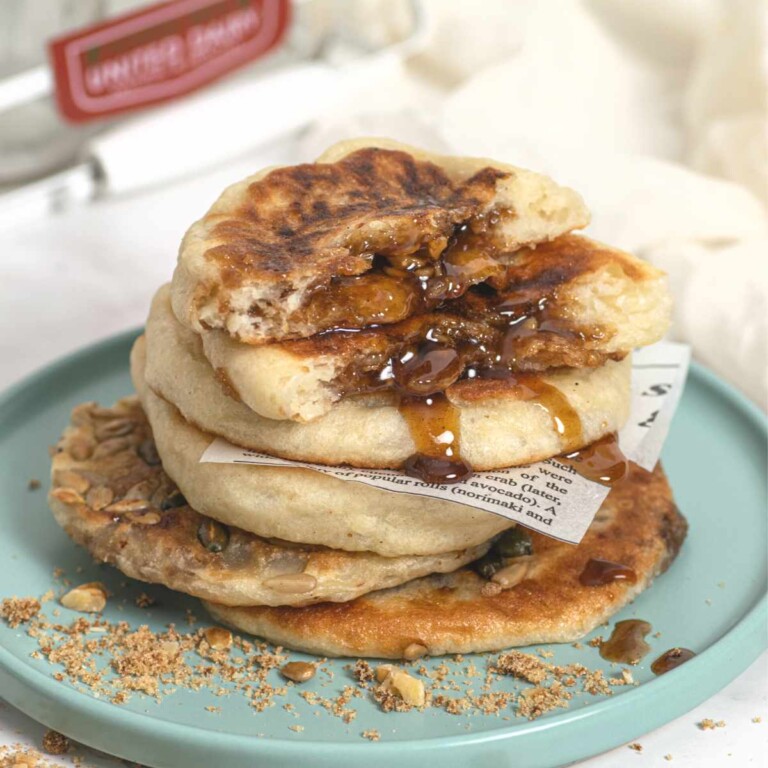
Teaches you yeasted dough and frying the perfec crust. The recipe a halmeoni (grandma) at a Myeongdong stall shared with me, as authentic as it gets. Learn how to get the perfectly melted brown sugar syrup molten inside and the best crunchy exterior.
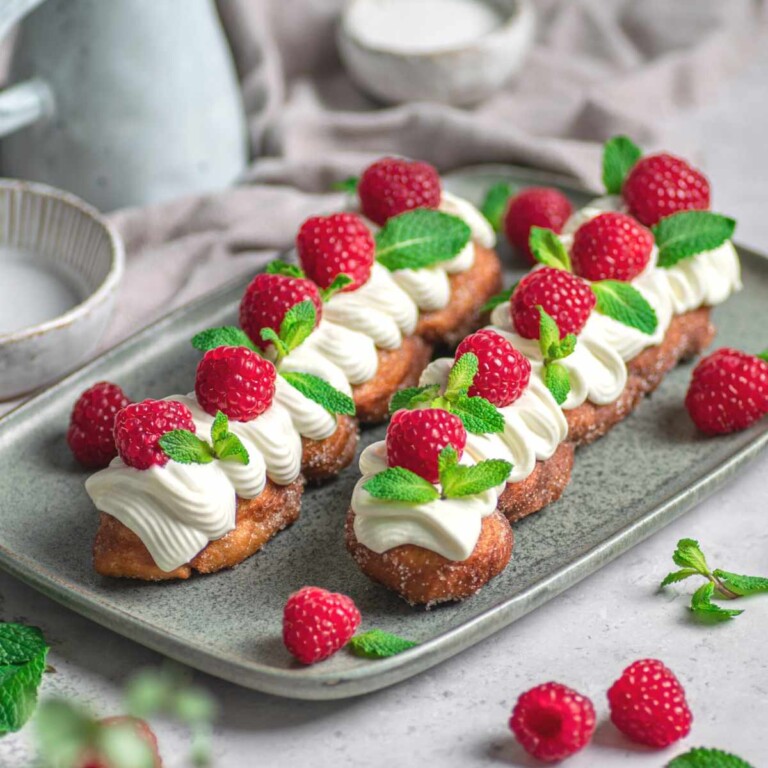
4Kkwabaegi
Teaches you how to get the perfect fluffy dough. Twisted donuts, double-proofed until extra soft, then fried at 300°F. This one teaches you how to get the perfect fluffy interior, with a subtle chewiness. Rolled in cinnamon sugar while they're still hot. The name comes from 꼬다 (kkota), "to twist."
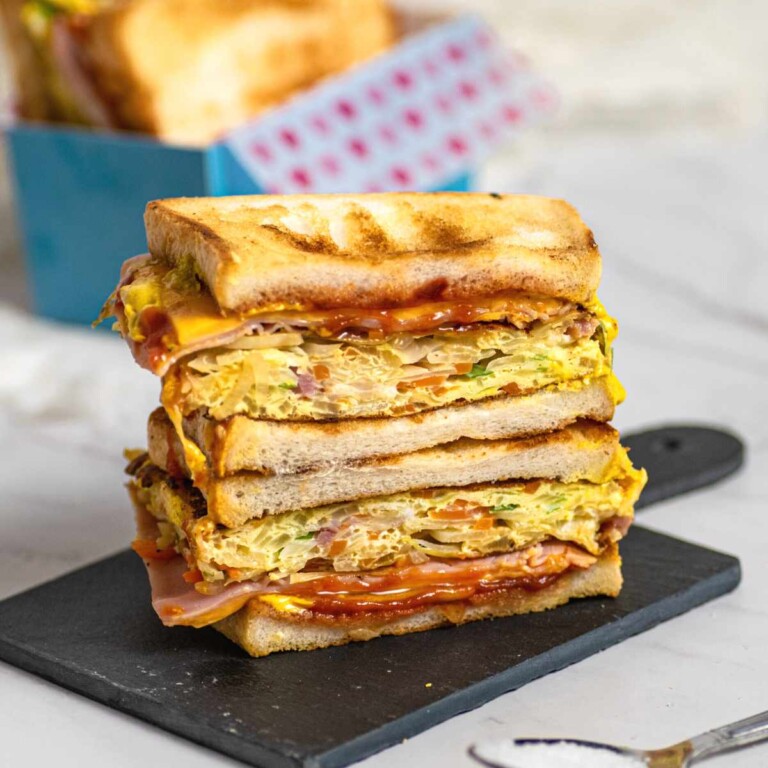
5Gilgeori toast
Teaches you the sweet-savory balance. Korea's grab-and-go breakfast: an egg-and-cabbage omelette pressed between buttered toast with a sprinkle of sugar. That sugar isn't a mistake, it's the base of Korean cooking: balancing sweet and savory. This is a cheap an simple meal. Gilgeori (길거리) literally means "street."
Spicy or mild: pick your tteokbokki
Tteokbokki is the dish people most want from this page, and the only real decision is which sauce you are. Both take about 30 minutes and use the same rice cake technique from the learning path.
If you want the true experience
The classic red version: gochujang and gochugaru at full volume, sweetened just enough, with melted cheese as the safety net. The baseline every other tteokbokki riffs on. Make this one if you already know you like heat.
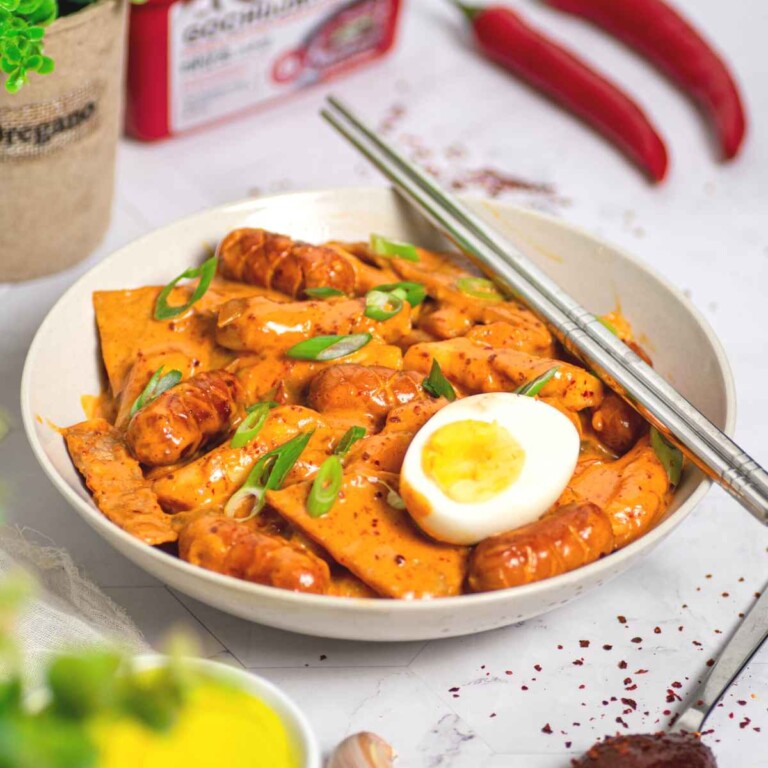
If you don't eat too spicy
Cream and cheese help tone down the spiciness of the gochujang. It's the perfect balance of spicy and creamy!
You can also try to 100% non spicy Carbonara Tteokbokki, which has been going viral in Korea.
Savory Market Favorites
The savory staples are the ones you smell before you see them: gochujang simmering, garlic butter, a well-worn griddle. Every recipe here runs on the same sweet-savory push and pull, one rich element set against something spicy or sugared, and that tension is why none of them taste heavy. Most-cooked first.
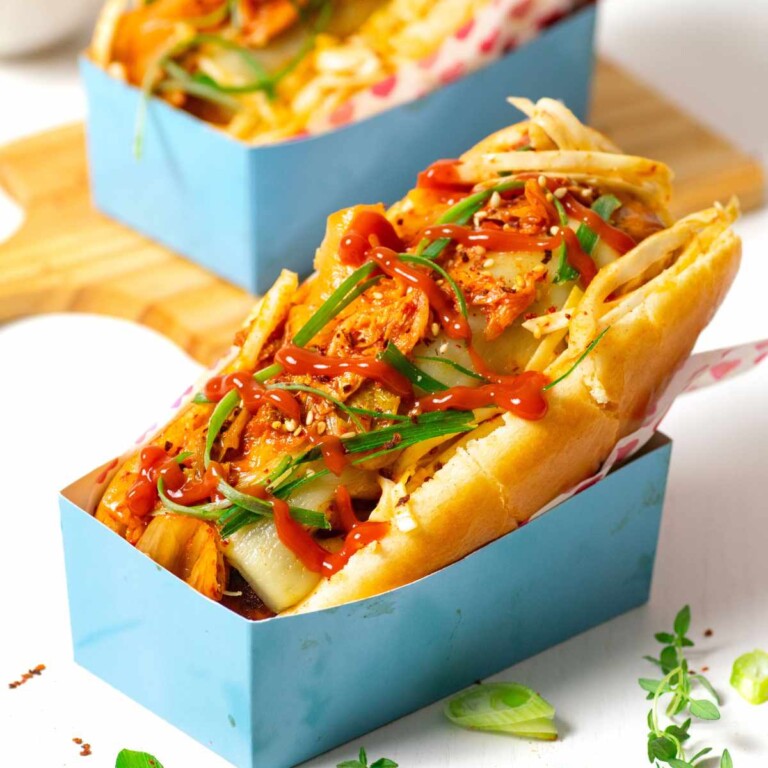
The most-cooked recipe here and the easiest entry point. Caramelized kimchi, cheddar and kimchi mayo, 15 minutes, no frying.
Chewy rice cakes in a creamy, mild gochujang sauce. The one I hand to anyone who finds the classic too fiery.
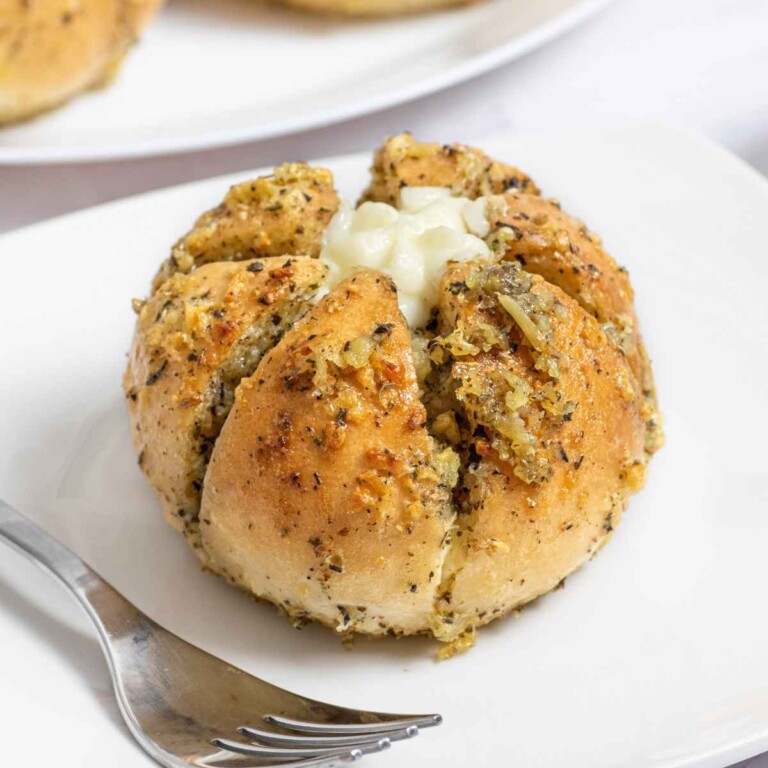
Garlic butter, sweetened cream cheese, baked until golden. A market specialty from Gangneung, tastes sweet and garlicky.
The Namdaemun mozzarella pull, with panko, potato or crushed-ramen coatings from a single batter.
The classic red version under a blanket of melted cheese. The baseline every variant riffs on.
Korea's street breakfast: egg-and-cabbage omelette in buttered toast, sweet and savory at once. The simplest recipe here.
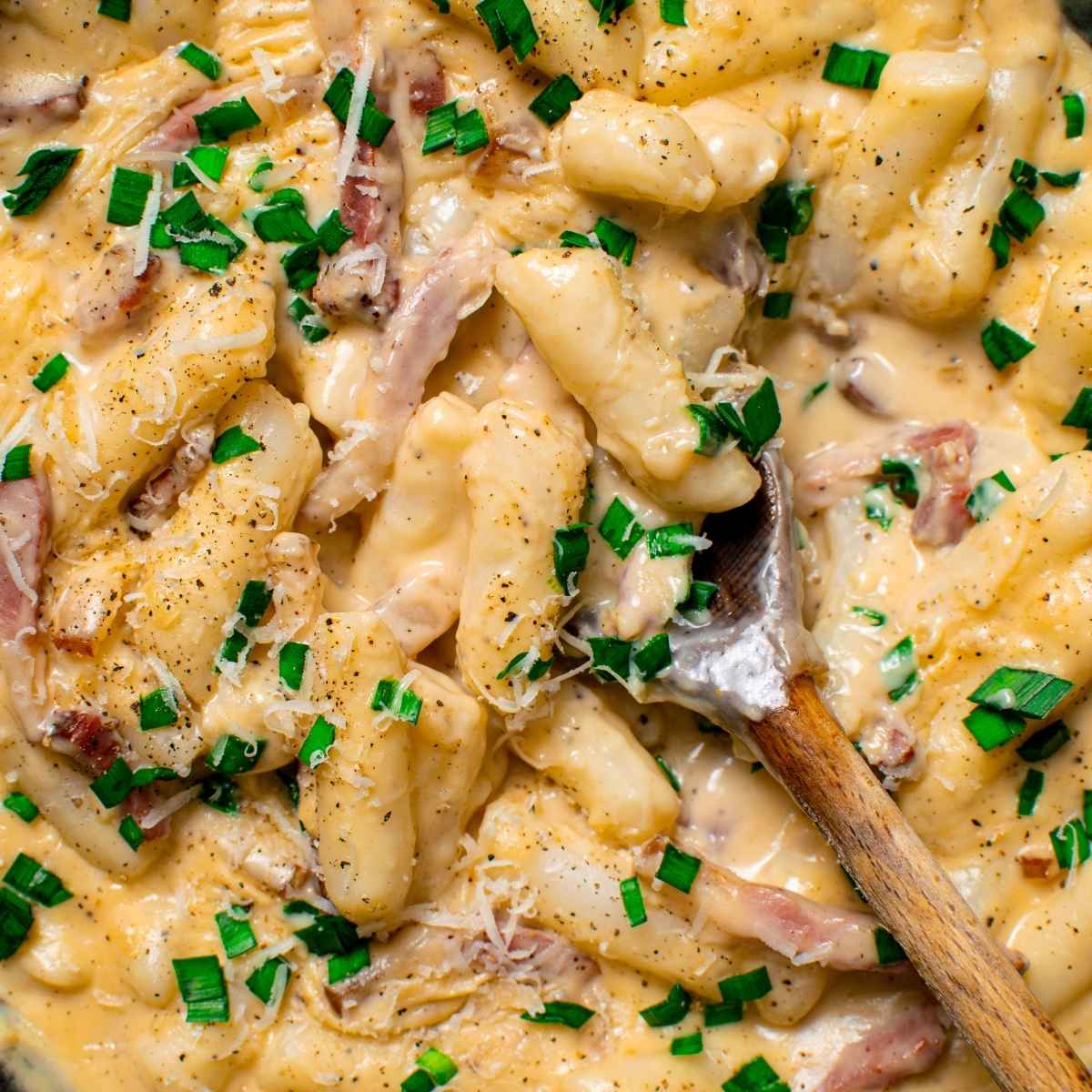
The latest viral trend in Korean and the perfect Italian-Korean fusion. Perfect if you can't eat spicy.
Desserts and Drinks
The sweet stalls run on hot oil, cinnamon sugar and iced drinks. Everything here is meant to follow something spicy: one to warm you up, one to cool you down.
Korea's defining cold-weather snack: a yeasted pancake filled with molten brown sugar, cinnamon and walnuts.
Twisted donuts, double-proofed until extra fluffy, fried low and slow, rolled in cinnamon sugar while hot. From 꼬다 (kkota), "to twist."
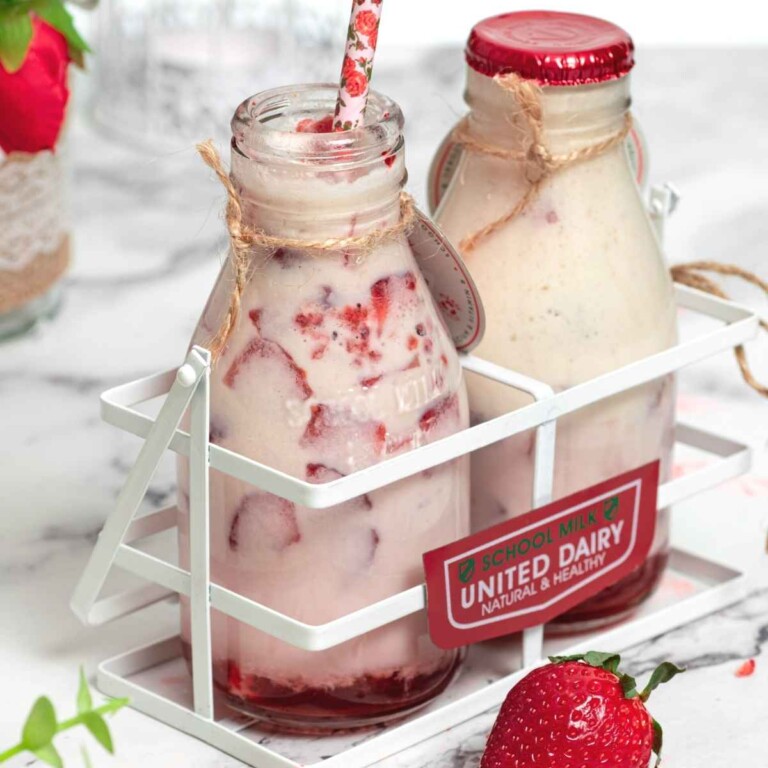
Three ingredients and real strawberry pieces instead of syrup. The drink I reach for mid-tteokbokki.
Are iced café drinks your thing? My milk tea and Asian café drinks page is what you need!
The cooking principles of K-street food
Stall vendors cook the same five dishes hundreds of times a night, and everything they do runs on a handful of principles. Learn these and you'll be cooking street food the Korean way!
1 Balancing sweet, savory & spicy
This is the grammar of Korean street food: sugar sprinkled on gilgeori toast, gochujang sweetened just enough in tteokbokki, a sugar dusting on a fried corn dog. One rich element, one sweet or spicy one, always in tension. If a dish tastes flat, it's almost never missing salt, it's missing the opposing note.
2 Get the oil temperature right
Corn dogs want 330 to 350°F (165 to 175°C): cooler and they drink up oil and turn greasy, hotter and the shell burns before the cheese melts. Kkwabaegi fry lower, at 300 to 325°F (150 to 165°C), because a yeasted donut needs time to cook through before its outside browns. The safest way to get it right is by using a kitchen thermometer.
3 Don't skip the sauces and finishes
All savory street foods usually come with lots of toppings and sauces. Kimchi mayo isn't a garnish on the hot dog, it's the flavor that ties it together. So don't e afraid to go extra on your sauces, that's how Koreans do it! If you're skipping on sauces you'll wonder why yours don't taste like the real deal.
Building a Full Menu: Pojangmacha Style
Street food isn't a single dish, it's a table covered in paper cups, so here's how I'd combine them into a full meal. The formula is one saucy dish, one crispy thing, one something to share and something sweet to finish. Then a cold drink running through all of it.
The pojangmacha night formula
- The anchor: a pan of classic tteokbokki or rose tteokbokki, in the middle of the table with spoons for everyone.
- The crispy thing: Korean corn dogs if you're up for frying, kimchi hot dogs if you're not.
- For the table: gilgeori toast, quartered, because someone always ends up fighting over it.
- The dessert: hotteok straight off the pan, or kkwabaegi if you made them ahead.
- The drink: strawberry milk, made before anything else and waiting in the fridge.
Order of cooking: any dough (hotteok, kkwabaegi) gets made first so it can proof while you cook, the strawberry milk chills, the tteokbokki simmers, and anything fried happens last so it lands on the table piping hot.
FAQs
A pojangmacha (포장마차) is a Korean tented street stall. The name literally means covered wagon. They sell tteokbokki, skewers, hotteok and drinks straight off the cart, often late into the night. Most of Korea's best-known street food started life as pojangmacha food, cooked to order for people standing on the pavement.
Koreans started adding sugar to most dishes when famous chef Paik Jong-Won (who's kind of like the local Martha Stewart), started using lots of sugar in his home cooking recipes. It has since become a major part of all home cooked and street food meals.
Mostly no. Kimchi hot dogs take 15 minutes and rose tteokbokki takes 30, with nothing more specialist than a frying pan. The step up is deep-frying: corn dogs reward a kitchen thermometer, and hotteok and kkwabaegi are yeasted doughs, so they ask for proofing time rather than skill. Start with the pan recipes and work your way to the fryer.
Don't worry, not all Korean street foods are spicy. Most of them are very manageable, unless you go for ER Tteokbokki (super hot) or spicy chicken feet. If your tteokbokki came out too spicy, tone it down with something creamy. Heavy cream or creme fraiche works wonders to take the edge off!
Street food is one lane of Korean cooking, and it's the lane this site is built around. When you'd rather sit down at an actual table, my Korean home cooking collection covers the dishes Koreans eat at home rather than off a skewer. And for the sweeter, café end of Korea and its neighbors, my East Asian desserts page is where those live.

About The Author
Hanelore is the creator of SugarYums and winner of Netflix show Crazy Delicious. She shares delicious Korean street food, East Asian desserts, and playful fusion recipes that bring global flavours to everyday kitchens. Inspired by the food markets of Seoul and beyond, Hanelore combines tradition with creativity to make cooking feel bold, cozy, and fun!